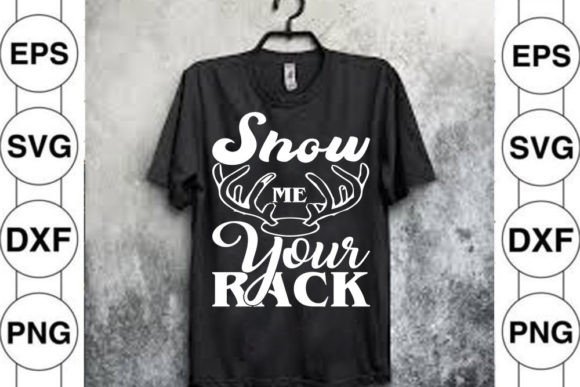
Hunting SVG Design: Show Me Your Rack
Capturing the rugged spirit of the outdoors in a digital format requires more than just a standard image; it demands a design asset that combines thematic resonance with technical precision. The phrase "Hunting SVG Design, Show Me Your Rack" represents a specific niche within graphic design where outdoor enthusiasm meets vector-based craftsmanship. For designers and creators working on projects related to wildlife, hunting apparel, or outdoor brands, utilizing high-quality SVG, PNG, DXF, and JPG files is fundamental to achieving a polished and scalable visual identity.
The Technical Edge of Vector-Based Hunting Assets
In the realm of graphic design, SVG (Scalable Vector Graphics) files are the gold standard for versatility. Unlike raster images that pixelate when enlarged, SVG files use mathematical formulas to render shapes, allowing a "Show Me Your Rack" design to be scaled from a small chest emblem on a t-shirt to a massive billboard without losing clarity. This scalability is crucial for maintaining a professional presentation across various mediums.
However, a comprehensive design package usually includes multiple file formats to ensure compatibility with different software and output methods:
- SVG Files: Ideal for web design, UI design, and cut files for vinyl cutters (Cricut/Silhouette). They ensure crisp lines for typography and antler silhouettes.
- PNG Files: Essential for digital marketing and social media graphics. These often come with transparent backgrounds, allowing for easy layering in compositions.
- DXF Files: Primarily used for CAD software and laser cutting, ensuring the design translates accurately to physical manufacturing processes.
- JPG Files: Standard high-resolution images suitable for mockups, editorial design, or quick digital sharing where transparency isn't required.
Strengthening Brand Identity in the Outdoor Niche
When developing a brand identity for a hunting lodge, a conservation group, or a tactical gear shop, the imagery must communicate authenticity immediately. A design featuring the text "Show Me Your Rack" relies heavily on strong typography and visual hierarchy. The font choice must convey strength and tradition—often utilizing bold serifs or rugged hand-lettered styles—while the accompanying graphic elements (like antlers or crosshairs) need to be detailed yet clean.
Effective visual design in this sector balances aggression with elegance. The color palette is often grounded in earth tones—deep greens, slate grays, and burnt oranges—to evoke the natural environment. However, modern design trends might introduce metallic gold or stark white to create a high-contrast, premium feel for merchandise and packaging.
Practical Applications for Designers and Creators
The utility of high-quality hunting SVG designs extends far beyond simple logos. These creative assets are integral to a wide range of projects, enhancing both aesthetics and communication. Consider how these files can be applied to improve user experience and engagement:
- Merchandise and Apparel: Using DXF and SVG files for screen printing and embroidery on hats, hoodies, and vests ensures the design remains sharp after production.
- Social Media Graphics: PNG files with transparent backgrounds allow for quick creation of engaging posts, stories, and ads that stand out in crowded feeds.
- Packaging Design: For products like jerky, coffee, or ammunition, the design must be scalable to fit various box sizes while maintaining visual hierarchy.
- Web Design: SVGs are lightweight and load faster than heavy raster images, improving site performance and UX design metrics.
Optimizing Your Design Workflow
To maximize the impact of these assets, designers should focus on integration and consistency. When incorporating a "Show Me Your Rack" design into a broader campaign, ensure that the line weight of the SVG matches other elements in your design system. This consistency prevents the graphic from looking out of place or "pasted on."
Furthermore, pay attention to the negative space within the design. In editorial design or advertising campaigns, the surrounding white space is just as important as the graphic itself. It allows the eye to rest and directs focus toward the call to action or the central message. By treating these SVG files not just as images but as functional components of a larger visual communication strategy, creators can elevate their work from amateur to professional. Thoughtful selection and application of these design elements ultimately bridge the gap between a simple concept and a powerful, cohesive visual narrative.